
Is Poland Worth It? The E-commerce Opportunity for Non-EU Brands
Why Poland and Allegro attract international brands, how Polish shoppers behave, which challenges to expect, and how to decide whether the market is right for you.

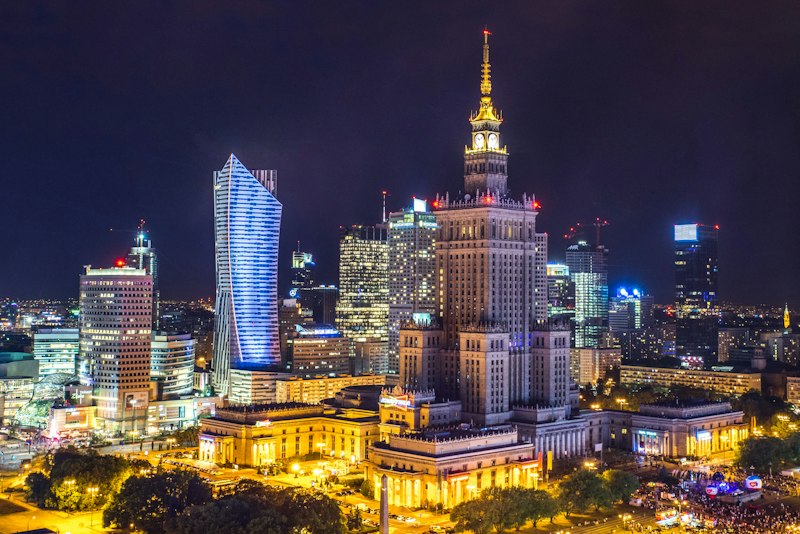
- Poland is a large, digital-first market with strong online shopping habits and a growing middle class.
- Allegro is the main gateway, and it reaches Czechia, Slovakia and Hungary too.
- Polish buyers value price, fast delivery and trust, so local stock and Polish-language content matter.
- Entry needs preparation: VAT, EPR and BDO, product compliance and logistics.
- The best approach is to test first, then scale. I can help you test, set up and run it.
- The short answer
- Why Poland is an attractive market
- Allegro’s role in Polish e-commerce
- How Polish online shoppers behave
- Beyond Poland: Czechia, Slovakia and Hungary
- Which products tend to do well
- The challenges to plan for
- What it takes to enter the market
- So, is Poland worth it for your brand?
- Practical next steps
- Frequently asked questions
If you already sell in the UK, the US or Western Europe, Poland may not be the first market that comes to mind. Yet it is one of the most dynamic e-commerce markets in Europe, and many international brands still have little or no presence there. This guide looks at the opportunity honestly, including the challenges, so you can decide whether the Polish market is worth it for your brand.
It is part of our English series for non-EU sellers. For the full process, see the complete guide to selling on Allegro.
The short answer
For many consumer product brands, yes, Poland is worth testing. It combines a big population, high internet and smartphone use, and a marketplace culture centred on Allegro. The brands that win are those that prepare their legal and logistics setup properly, localise their offers, and start with a focused product range. Heavy, low-margin or highly regulated products need more careful planning.
Why Poland is an attractive market
- Size. With more than 37 million people, Poland is the largest country in Central and Eastern Europe by population.
- Online habits. Polish consumers shop online widely, and e-commerce has been growing for years.
- Economic momentum. Rising incomes and a strong consumer base support demand for quality brands.
- Central location. Poland sits at the heart of Europe, which helps with delivery across the region.
- Less saturation. Compared with the UK, Germany or the US, many categories still have room for well-positioned international brands.
Figures such as market size and growth change every year, so check current statistics from independent sources before building a business plan.
Allegro’s role in Polish e-commerce
Allegro is the leading marketplace in Poland and a household name. Many Polish shoppers start product searches on Allegro rather than on a search engine, which makes it the most direct route to buyers. Allegro also offers tools that sellers use to grow, such as promotion options, delivery programmes and buyer-protection features. Read the full breakdown in our introduction to Allegro and reasons to sell there.
Amazon launched a Polish store, but Allegro retains a strong position thanks to local trust and habit. We compare both in Allegro vs Amazon: Should You Expand into Eastern Europe?
How Polish online shoppers behave
- Price-aware. Buyers compare offers, so competitive pricing and clear value matter.
- Delivery-driven. Fast, tracked delivery and parcel-locker pickup are widely used and expected.
- Trust-oriented. Ratings, reviews, clear return terms and a professional seller profile influence the buying decision.
- Mobile-first. A large share of purchases happen on smartphones, so listings must look good on mobile.
- Local payment habits. Fast bank-based payments and instalment options are common, and Allegro supports several methods.
More on payments and customer expectations is in our guide to payments and customer service.
Beyond Poland: Czechia, Slovakia and Hungary
Allegro also runs marketplaces in Czechia, Slovakia and Hungary. For a brand that sets up properly in Poland, this opens a path to wider Eastern European growth, using a similar platform and, in many cases, shared logistics. Each country has its own language, tax details and buyer expectations, so expand step by step, starting where you have the strongest result.
Which products tend to do well
Opportunities exist in many categories, and the right choice depends on your brand, price position and competition. As a general guide:
| Product profile | Typical outlook | Things to check |
|---|---|---|
| Branded consumer goods with clear value | Often a good fit | Local competition and price benchmarks |
| Home, garden and DIY | Large, active demand | Shipping size and cost, seasonality |
| Sports, outdoor and hobby products | Good for specialist brands | Reviews and technical content in Polish |
| Fashion and accessories | Competitive but sizeable | Size guides, returns and photography |
| Electronics and batteries | Strong demand, stricter rules | CE marking, WEEE and EPR obligations |
| Food, cosmetics and supplements | Possible, but tightly regulated | Category approvals and labelling rules |
This table is a general guide, not a forecast. Research your exact products on Allegro before investing.
The challenges to plan for
- Language. Polish listings and support are essential for conversion.
- Competition and price pressure. Many local sellers compete on price, so your brand story and value must be clear.
- Delivery expectations. Slow shipping from abroad hurts sales, which is why fulfillment matters.
- Legal setup. A Polish VAT registration is needed for local stock, and EPR and BDO obligations may apply. Start with our VAT, customs and compliance guide.
- Returns and consumer law. EU rules such as the 14-day withdrawal right apply.
- Local knowledge. Advertising, pricing and customer service work differently from Western markets.
What it takes to enter the market
So, is Poland worth it for your brand?
Use these questions to decide:
- Does your product have clear demand in Poland, and a competitive price point?
- Are your margins strong enough to cover fulfillment, advertising and local compliance?
- Can you meet the legal requirements, including VAT, EPR and BDO, or work with a partner who can?
- Are you ready to localise listings and customer service in Polish?
- Do you want a long-term presence in Eastern Europe rather than a one-off sale?
If most answers are yes, Poland deserves a structured test. If several are no, solve those points first or use a distribution partner.
Practical next steps
- Research your products on Allegro and note prices, reviews and competitors
- Speak with a lawyer or tax adviser about the right structure
- Compare fulfillment options and request quotes
- Start with a limited range and track results
- Talk to me about setup and ongoing operations
This is where I can help. I will be happy to help you test the market, set up your Allegro business and run the daily operations: listings in Polish, pricing, advertising, logistics coordination and customer service. If you prefer, you can give us official distribution so we run the operations in Eastern Europe for you.
Frequently asked questions
Is Poland a good market for non-EU brands?
Do I need to sell in Polish?
Is Allegro or Amazon better in Poland?
Can I reach other Eastern European countries from Allegro?
What do I need to start?
Can you help me enter the Polish market?
How to Sell on Allegro from the UK or US: The Complete Guide
Allegro vs Amazon: Should You Expand into Eastern Europe?
Selling on Allegro as a Non-EU Seller: VAT, Customs & Compliance
Allegro One Fulfillment Explained
More guides on the Allegro seller blog.