
Allegro One Fulfillment Explained: How Non-EU Brands Ship to Poland
How One Fulfillment by Allegro works, how it compares with a 3PL warehouse and shipping from abroad, and which model fits a UK or US brand.

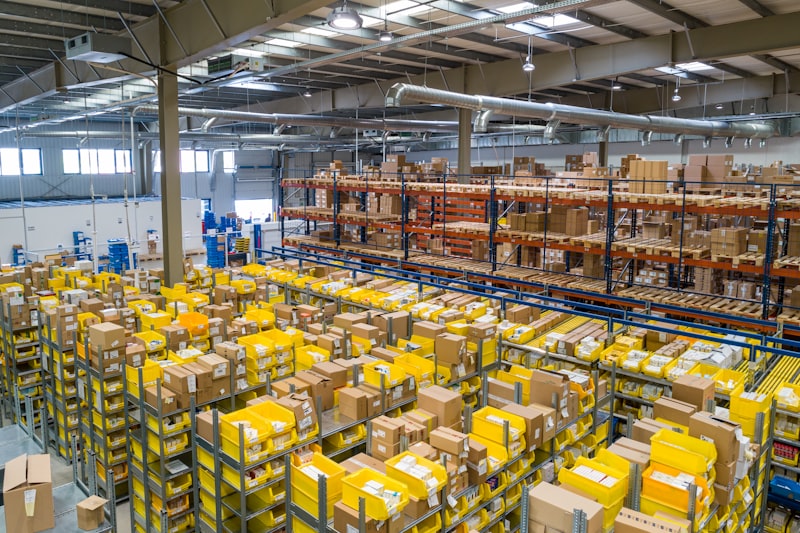
- One Fulfillment by Allegro lets Allegro store, pack and ship your orders from inside Poland.
- Faster delivery usually means more sales, because Polish buyers expect quick, reliable shipping.
- A Polish VAT registration is mandatory for local fulfillment, together with EPR compliance and a BDO registration where they apply to your products.
- A 3PL warehouse is the main alternative, and shipping from abroad works for small tests.
- I can help you choose the model, set it up and run the Allegro side for you.
- The short answer
- What is One Fulfillment by Allegro?
- How it works, step by step
- Why fulfillment matters on Allegro
- What non-EU brands need before they start
- EPR compliance and BDO registration
- Fulfillment models compared
- What does fulfillment cost?
- Which model is right for you?
- Common fulfillment mistakes
- Getting-started checklist
- Frequently asked questions
Delivery speed is one of the biggest levers on Allegro. Polish buyers are used to fast, tracked delivery, and offers that arrive in a day or two convert far better than parcels that take two weeks from abroad. That is why fulfillment is one of the first decisions a non-EU brand has to make. This guide explains One Fulfillment by Allegro, how it compares with a 3PL warehouse and with shipping from abroad, and how to choose.
It is part of our English series for UK and US sellers. For the full process see the complete guide to selling on Allegro, and for the legal side read our overview of VAT, customs and compliance for non-EU sellers.
The short answer
If you want to grow seriously on Allegro, keeping stock inside Poland is usually the best long-term setup. You can do that through One Fulfillment by Allegro or through a Polish 3PL warehouse. Both require a Polish VAT registration (this is a mandatory condition) and an EU-based structure, and many products also need EPR compliance and BDO registration, so non-EU brands often combine them with their own European company or with an official distribution partner. Shipping directly from abroad is a lower-effort way to test demand first.
What is One Fulfillment by Allegro?
One Fulfillment by Allegro is Allegro’s own fulfillment service. Instead of packing parcels yourself, you send your stock to an Allegro fulfillment center. Allegro stores the goods, picks and packs each order and handles delivery to the buyer. Offers fulfilled this way can also benefit from stronger delivery promises and visibility inside the marketplace.
Programme details, eligibility and prices change over time, so always check the latest information in Allegro’s seller documentation or ask a specialist.
How it works, step by step
Why fulfillment matters on Allegro
- Faster delivery. Local stock means next-day or two-day delivery, which Polish buyers expect.
- Higher conversion. Clear delivery times and trusted logistics make buyers more confident.
- Less daily workload. You do not pack parcels or manage couriers for each order.
- Simpler returns. A local return point is far easier than shipping back to the UK or US.
- Scalability. You can handle peaks, such as promotional campaigns, without building your own warehouse team.
See how delivery speed fits into the overall strategy in our guide to logistics for Allegro sellers and how it compares with Amazon in Allegro vs Amazon.
What non-EU brands need before they start
- A route onto Allegro. Non-EEA businesses use a separate registration route with extra checks. See can non-EU sellers register.
- A Polish VAT registration (mandatory). Local stock cannot be fulfilled without a PL VAT number, which non-EU brands usually obtain through an EU company or a fiscal representative.
- EPR compliance and BDO registration. Producer responsibility rules for packaging, electronics, batteries and similar products may apply. See the section below.
- Customs set up for inbound shipments. You need an EORI number, correct tariff codes and a clear importer of record.
- Compliant products. CE marking, Polish labelling and any category rules must be in place.
- A budget for stock and inventory planning. You will hold stock in advance, so forecasting matters.
Company structure, VAT and customs depend on your product and business model. I recommend speaking with a lawyer, tax adviser and customs broker before you ship stock to Poland. I can then help you build and run the sales side.
EPR compliance and BDO registration
Besides VAT, anyone who places products or packaging on the Polish market may face Extended Producer Responsibility (EPR) obligations. In Poland these are connected to the BDO register, the national database for products, packaging and waste management. Marketplaces and logistics partners increasingly ask sellers to prove that they comply.
- Packaging. If you put packaged goods on the Polish market, you may need to register in BDO, report packaging quantities and cover recovery and recycling obligations.
- Electronics and batteries. Electrical and electronic equipment (WEEE) and batteries have separate producer obligations.
- Other categories. Some other product groups, such as tyres, oils or certain plastics, also have specific rules.
- Who is responsible. In practice it is the producer, importer or the entity that first places the goods on the Polish market. For a non-EU brand this usually means an EU company, an authorised representative or a local partner.
- Reporting. Registration is usually followed by periodic reports and fees, so plan it into your costs.
EPR and BDO rules depend on your product category, packaging and legal structure, and they change over time. I recommend confirming them with a lawyer or an EPR compliance specialist before sending stock to Poland. See also our overview of product compliance for non-EU sellers.
Fulfillment models compared
| Model | How it works | Best for | Trade-offs |
|---|---|---|---|
| Ship from abroad | You post individual parcels to Polish buyers from the UK, US or elsewhere | Testing the market with a small range | Slower delivery, customs steps and returns are harder |
| 3PL warehouse in Poland | A third-party logistics company stores and ships your stock | Brands that want flexibility or sell on several channels | Needs PL VAT, and you manage the 3PL relationship |
| One Fulfillment by Allegro | Allegro stores, packs and ships orders from its centers | Brands focused on Allegro that want deep integration | Needs PL VAT, and you follow Allegro’s rules and fees |
| Official distribution | A local partner imports, stores and sells your products | Brands that want minimal local setup | You agree commercial terms and give up some control |
What does fulfillment cost?
Fulfillment pricing normally combines inbound freight and customs, storage, handling per order and delivery fees. The totals depend on product size, weight, volume and how fast your stock sells. Because prices change, I do not quote numbers here. Request current price lists from Allegro and from two or three 3PL providers and compare them against your margin. We cover the wider cost picture in our fees and commission section.
Which model is right for you?
- Just testing? Start by shipping a limited range from abroad and measure demand.
- Growing on Allegro? Move stock to Poland with One Fulfillment or a 3PL.
- Selling on several channels? A 3PL often gives more flexibility.
- Want the lowest local workload? Consider giving us official distribution so we run operations in Eastern Europe.
- Want full control? Open an EU company, get a Polish VAT number and choose a 3PL or One Fulfillment.
Common fulfillment mistakes
- Sending stock before confirming VAT, customs, EPR and BDO requirements
- Poor product data, missing barcodes or wrong dimensions
- Overstocking slow sellers or running out of bestsellers
- Ignoring Polish-language listings and customer service
- Choosing a 3PL on price alone without checking service quality
- Skipping a lawyer or tax adviser before setting up the structure
More pitfalls are covered in the common mistakes section of the main guide.
Getting-started checklist
- Confirm your legal and tax structure with a lawyer and tax adviser
- Decide on your model: abroad, 3PL, One Fulfillment or distribution
- Obtain a Polish VAT registration (mandatory for local fulfillment)
- Check EPR obligations and register in BDO where required
- Prepare product data, barcodes, dimensions and compliant packaging
- Arrange customs, EORI and a freight forwarder for inbound shipments
- Request quotes from Allegro and from several 3PL providers
- Create Polish-language listings and a customer service process
- Start with a limited range, measure and then scale
Once the structure is in place, I can help with everything on the Allegro side: account setup, listings in Polish, pricing, advertising, coordinating logistics and customer service. Get in touch and we will find the best model for your brand.
Frequently asked questions
What is One Fulfillment by Allegro?
Can a UK or US company use One Fulfillment?
Is a 3PL warehouse better than One Fulfillment?
Can I ship from the UK or US instead?
How much does fulfillment cost?
Do I need EPR compliance and a BDO registration?
Is a Polish VAT number mandatory for fulfillment?
Do I need to speak Polish to use fulfillment?
Can you help me set up fulfillment and run my Allegro sales?
Selling on Allegro as a Non-EU Seller: VAT, Customs & Compliance explains the legal areas to check first.
How to Sell on Allegro from the UK or US: The Complete Guide covers the whole process.
Allegro vs Amazon compares the two marketplaces.
More guides on the Allegro seller blog.